CONTENT

The Guangdong–Hong Kong–Macao Greater Bay Area (GBA) is China’s flagship regional integration project, linking two Special Administrative Regions (Hong Kong and Macao) with nine mainland cities in Guangdong Province (Guangzhou, Shenzhen, Zhuhai, Foshan, Huizhou, Dongguan, Zhongshan, Jiangmen, and Zhaoqing).
In 2024, the mega-region covered approximately 56,000 km² and housed over 87 million residents. Beijing’s vision is to turn this area into an “international first‑class bay area” that rivals Silicon Valley and the Tokyo Bay Area by leveraging the distinctive roles of Hong Kong and Macao within the “One Country, Two Systems” constitutional framework, along with Guangdong’s manufacturing strengths.
The next phase (2025‑2026) promises to deepen integration through infrastructure, finance, innovation, legal harmonization, and environmental cooperation.
The region’s GDP exceeded RMB 14.5 trillion in 2024, making it comparable to that of a mid-sized European economy. With an urbanization rate exceeding 85 percent and an integrated transportation infrastructure, the GBA accounts for approximately 11 percent of China’s GDP, while occupying just 0.6 percent of the national land area.
Integration with the 15th Five‑Year Plan
As 2025 marks the end of the 14th Five‑Year Plan (2021‑25) and the start of the 15th Five‑Year Plan (2026‑30), Hong Kong officials emphasize aligning local policies with Beijing’s national development strategies.
14th Plan set unprecedentedly clear roles for Hong Kong as a global hub for finance, trade, innovation & technology, cultural exchange, and dispute resolution, enabling stakeholders to integrate more deeply into national development. The upcoming plan is expected to specify Hong Kong’s further role in the Northern Metropolis development and cross-border integration.
Industry structure
The GBA’s economy is diversified. Hong Kong excels in financial services—by mid-2023, more than 1,400 mainland enterprises were listed there, accounting for over 70 percent of the market capitalization.
Guangdong cities specialize in electronics, automotive, and advanced manufacturing. Macao’s economy is primarily driven by tourism and gaming, but is shifting towards finance and cultural industries.
Talent pool
Five Hong Kong universities rank among the world’s top 100 in QS World University Rankings 2025. Guangdong Province hosts more than 170 universities and research institutions, which collectively held 99,200 patents in 2024, resulting in 141,000 transfers and licensing agreements, as well as 19,000 licensing deals. This provides the region with a large and skilled workforce, as well as a robust research base.
Outline Development Plan
The National Outline Development Plan for the GBA (2019) envisions cross-border flows of people, capital, goods, and information, as well as integrated infrastructure and an international business environment. Policies are delivered through city‑to‑city cooperation agreements, the Hong Kong‑Guangdong Joint Working Groups, CEPA amendments, and GBA standards.
2024 initiatives
Recent measures include the establishment of the Guangdong–Hong Kong talent cooperation mechanism (January 2024) to build a high-caliber talent hub, enhancements to the Cross-Boundary Wealth Management Connect to expand cross-border banking services, and the introduction of GBA Standards across various sectors, such as prepared dishes, meteorology, and ecology (January 2024).
A new Qianhai Shenzhen‑Hong Kong Modern Service Industry Cooperation Zone task force (February 2024) aims to deepen service‑sector liberalization and position Qianhai as a demonstration zone.
2025 policy direction
The 2025 Hong Kong Policy Address commits to developing the Dongguan Logistics Park at Hong Kong International Airport, with permanent facilities to be completed by the end of 2025, and plans for a Phase 2 expansion.
It also pledges to publish the Development Outline for the Hong Kong Park in the Loop (the Hong Kong side of the Hetao Science and Technology Innovation Zone), which will detail innovative policies for the flow of personnel, goods, capital, and data.
The GBA’s innovation prowess is reflected in the World Intellectual Property Organization (WIPO) Global Innovation Index 2025. The Shenzhen–Hong Kong–Guangzhou innovation cluster topped the WIPO ranking for the first time, surpassing the Tokyo–Yokohama cluster.
WIPO uses metrics such as PCT international patent filings, scientific publications, and venture‑capital transactions. Between 2020 and 2024, the cluster averaged 2,292 PCT applications, 3,775 scientific articles, and 135 venture‑capital deals per million inhabitants. This leading position underscores the GBA’s dominance in patent output and cutting‑edge research.
In September 2025, the Hong Kong Polytechnic University (PolyU) celebrated the WIPO ranking by reaffirming its commitment to collaborative innovation. PolyU President Jin‑Guang Teng noted that the university leverages its strengths in basic and translational research and has secured over 1,650 patents.
It operates translational research institutes in 12 Mainland cities, facilitating technology transfer and the industrialization of research outcomes. PolyU’s RAIS+ Scheme funds projects across AI and new materials, while its PolyVentures ecosystem has incubated more than 600 start‑ups.
Internationally, 355 PolyU scholars were listed among the world’s top 2 percent most‑cited scientists in 2024; the university attracts distinguished academics under the Global STEM Professorship Scheme, focusing on machine learning and quantum technology.
The Hetao (Lok Ma Chau Loop) Innovation Zone, which straddles Shenzhen and Hong Kong, is emerging as a cross-border tech cluster. In 2024, Hong Kong released 5 hectares of land at the Loop for the construction of 5 buildings under Phase 1 of the Hong Kong–Shenzhen Innovation and Technology Park, with construction scheduled to begin in late 2024.
The 2025 Policy Address promises to expedite the development of the Loop, with two wet‑lab enabled buildings and a talent‑accommodation building topped out, and the first tenants in life and health technology, AI, and data science moving in from the second half of 2025. The Hetao zone will adopt innovative cross‑boundary policies to enable the free flow of talent, funds, materials, and data.
New campuses: To expand the talent pipeline, the City University of Hong Kong (Dongguan) opened its first-phase campus in early 2025, offering programs in Computer Science, Intelligent Manufacturing Engineering, Materials Science & Engineering, and Energy Science & Engineering, enrolling 125 undergraduates.
These cross‑border campuses complement the Hong Kong University of Science & Technology’s Guangzhou campus (opened 2022) and the planned University of Hong Kong campus in Shenzhen. Their presence helps integrate Guangdong’s manufacturing base with Hong Kong’s research expertise.
Hong Kong and Shenzhen will establish a Greater Bay Area Clinical Trial Collaboration Platform to extend R&D networks and accelerate clinical trials. This builds on existing cooperation, under which 51 Hong Kong‑registered drugs and 64 medical devices have been approved for use in 45 designated GBA healthcare institutions as of June 2025.
Started in November 2024, the Standard Contract for cross‑boundary data flow between the Mainland and Hong Kong was extended to all sectors.
The 2025 Policy Address pledges to further enhance the Cross‑boundary Credit Referencing Platform and data‑validation systems to help Hong Kong banks assess mainland borrowers. Policymakers aim to promote data flow and support digital finance while safeguarding privacy.
To incubate emerging industries, Hong Kong launched a low‑altitude economy regulatory sandbox in March 2025, approving 38 pilot projects ranging from emergency rescue drones to logistics and inspection.
An International Hydrogen Development Symposium was held in March 2025, drawing over 800 representatives to showcase hydrogen technologies and foster cooperation.
These initiatives complement the GBA Hydrogen Energy Strategy signed in June 2024 to develop a regional hydrogen industry
Hong Kong remains China’s pre‑eminent offshore financial hub. By mid‑2023, more than 1,400 Mainland enterprises were listed in Hong Kong, accounting for over 70 percent of the stock market’s capitalization.
The city hosts the world’s largest offshore renminbi (RMB) liquidity pool, handling about 78.3 percent of global offshore RMB transactions in April 2025.
Daily turnover in the RMB real‑time gross settlement system averaged RMB 3.0975 trillion (USD 436.27 billion) in 2024, underpinning cross‑border payments.
The mutual‑market access programs linking Hong Kong and mainland stock and bond markets have become mainstream investment channels.
The inclusion of exchange-traded funds (ETFs) (2022), the launch of Swap Connect (2023), and the planned RMB trading counters for southbound stock trading (scheduled for 2025) broaden cross‑border investment choices.
Hong Kong is also promoting the inclusion of China Government Bonds as collateral across clearing houses.
The scheme allows residents in the Greater Bay Area to invest in wealth‑management products offered in the other markets.
In January 2024, the People’s Bank of China and the Hong Kong Monetary Authority introduced enhanced arrangements for the Cross‑boundary Wealth Management Connect to allow convenient property purchase payments, expanded credit‑referencing pilots, and more convenient cross‑boundary financing.
By November 2024, the first batch of 14 licensed Hong Kong brokers and their mainland partners were authorized to participate in the pilot.
Hong Kong is rolling out a Payment Connect program linking the Mainland’s Internet Banking Payment System with Hong Kong’s Faster Payment System (FPS). The project supports real‑time cross‑boundary payments for residents and businesses.
In June 2025, Payment Connect launched a pilot linking bank accounts to facilitate convenient and secure low‑value remittances between the two regions.
The 2025 Policy Address plans to expand Payment Connect to support the remittance of government assistance to elderly Hong Kong residents living in Guangdong and Fujian provinces.
Hong Kong Exchanges and Clearing’s Core Climate carbon‑trading platform will collaborate with pilot carbon markets in the GBA to explore cross‑boundary settlement. The Qianhai Mercantile Exchange, where HKEX is a shareholder, is testing offshore spot soybean trading, with longer‑term plans to create a GBA‑wide commodities exchange.
Hong Kong is pursuing digital finance cooperation with Shenzhen and Qianhai to integrate fintech into cross‑border finance. The Financial Services and the Treasury Bureau is developing digital‑finance measures to be announced later in 2025.
Simultaneously, cross‑boundary credit referencing and Shenzhen–Hong Kong cross‑boundary data validation platforms are being enhanced to help banks assess mainland borrowers and support small‑ and medium‑enterprise lending.
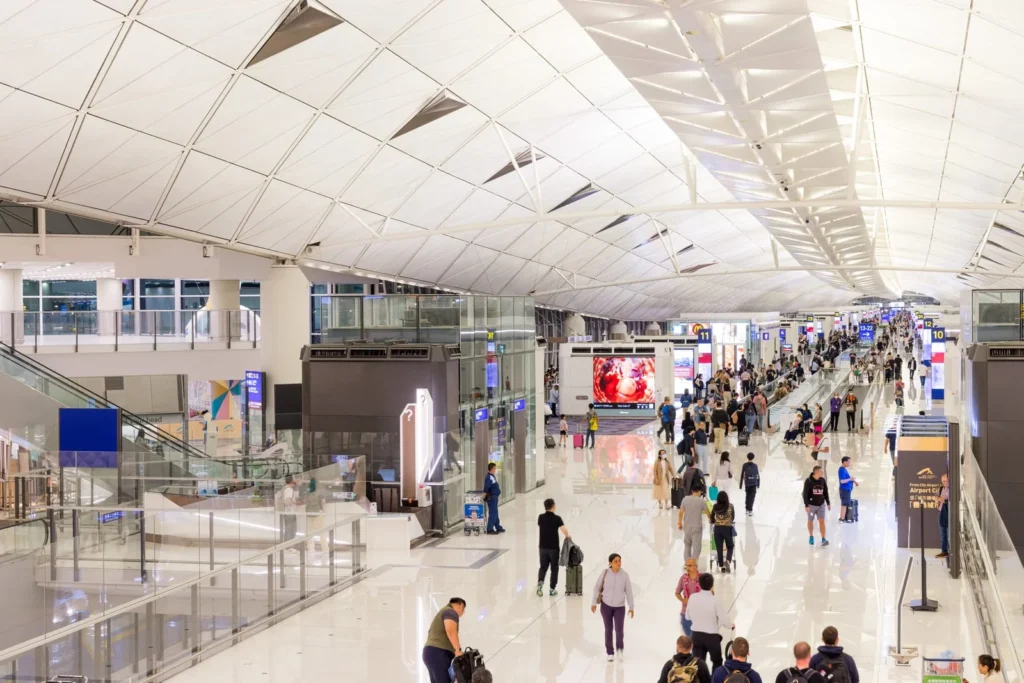
The three-runway system opened in November 2024, enabling HKIA to handle 120 million passengers and 10 million tonnes of cargo annually. HKIA is building the Dongguan Logistics Park, where mainland cargo is screened in Dongguan and transported directly for transshipment.
Phase 1 permanent facilities will be completed by late 2025, and planning for Phase 2 is underway. Hong Kong aims to make the Dongguan park a model for cross‑border air–land logistics integration.
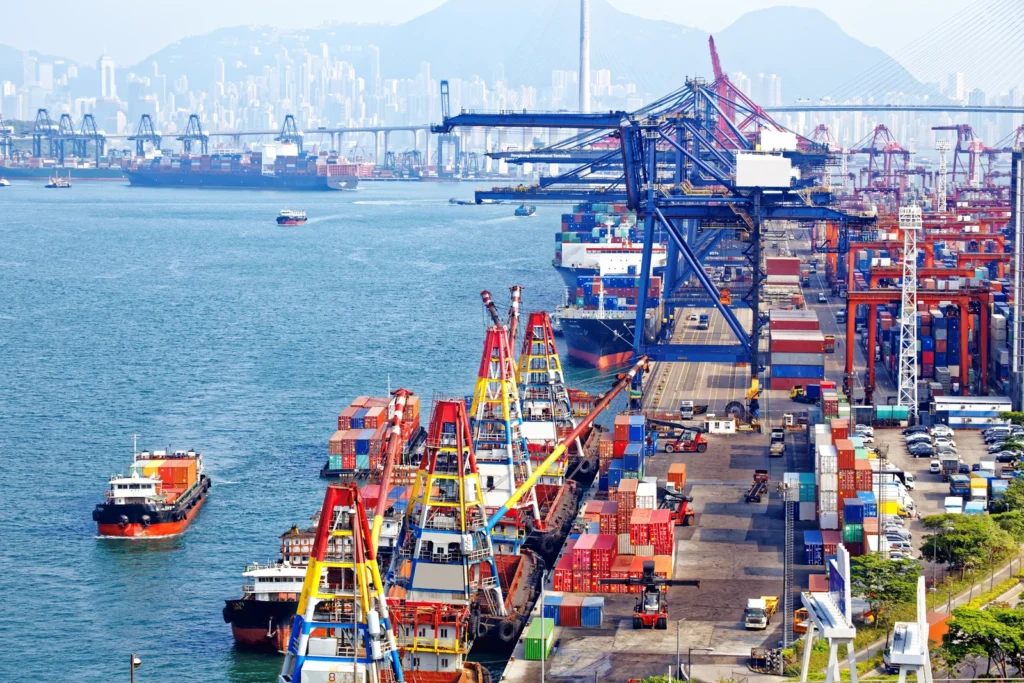
Hong Kong’s container port handled about 10.4 million TEUs in 2024. The government is expanding yard space, promoting smart port infrastructure, and building an international partner‑port network to streamline logistics. The port plans to integrate rail‑sea‑land‑river transport and develop a digitalized port system.
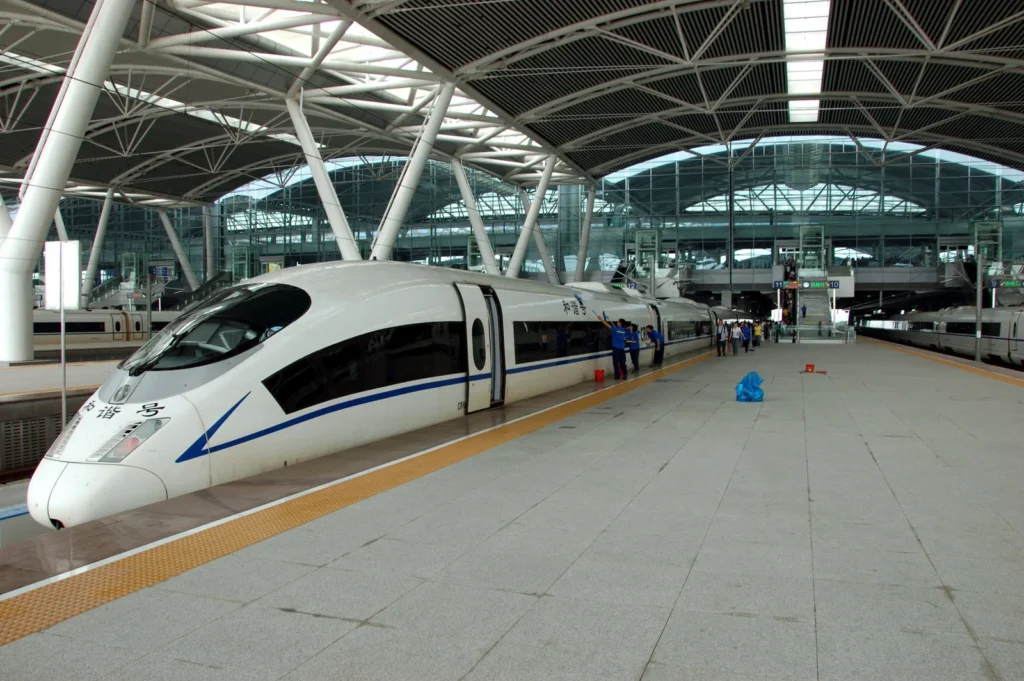
Hong Kong and Guangdong are exploring low‑altitude logistics (pilotless aerial vehicles) and intermodal freight to improve last‑mile delivery. The low‑altitude regulatory sandbox launched in March 2025 allows emergency rescue, inspection, and logistics drones to test operations. Another working group is developing the low‑altitude economy with a regulatory sandbox and demonstration projects.
These initiatives complement cross‑boundary e‑lock schemes such as the Guangdong–Hong Kong–Macao Three‑Places‑One‑Lock launched in February 2024, which uses GPS‑enabled e‑locks to allow trucks to transit directly across the HZMB without duplicate customs checks.
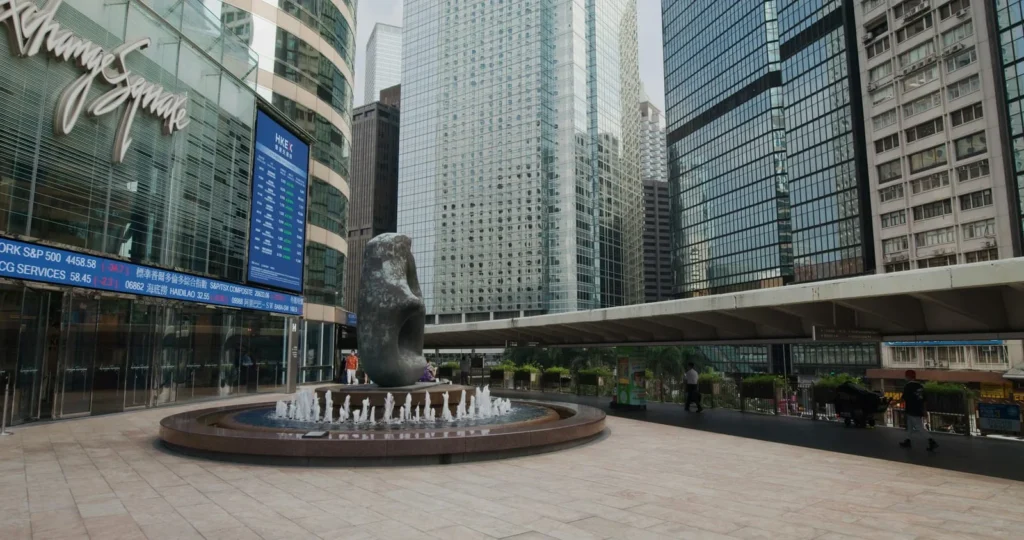
The Closer Economic Partnership Arrangement (CEPA) between the Mainland and Hong Kong serves as the legal basis for cross-border trade. It provides zero‑tariff access for Hong Kong‑origin goods and liberalizes service sectors.
By April 2024, there were 20 partnership associations between Hong Kong and Mainland law firms (ten in Shenzhen, five in Zhuhai, four in Guangzhou, and one in Dongguan), enabling lawyers to practice in both jurisdictions.
The CEPA Amendment Agreement II, signed on 9 October 2024 and effective 1 March 2025, broadens liberalization across finance, construction, telecommunications, testing, and film services.
CEPA allows Hong Kong professionals—architects, engineers, surveyors, doctors, nurses, and others—to obtain Mainland credentials and practice there. New agreements in 2024 and 2025 introduced Greater Bay Area standards for skill levels in the construction sector and the “One Examination, Multiple Certification” arrangement.
Hong Kong seafarers received Mainland Certificates of Competency for the first time in early 2025, enabling them to work on ships registered in Shenzhen.
The 2024 Guangdong–Hong Kong talent cooperation agreement established a coordination mechanism to build a high-caliber talent hub. Hong Kong’s Talent Engage office works with Guangdong authorities to attract international professionals.
The 2025 Policy Address proposes extending the validity of multiple‑entry visas for foreign employees of Hong Kong‑registered companies to five years.
The Greater Bay Area Youth Employment Scheme 2024 encourages enterprises to hire Hong Kong graduates in mainland cities. Applications are open year‑round, with the 2024 scheme accepting candidates until 31 December 2024.
The Funding Scheme for Youth Entrepreneurship and Experiential Programs at Innovation and Entrepreneurial Bases launched new rounds in April 2024 to subsidize Hong Kong youth starting businesses in the Mainland.
In October 2025, the Home and Youth Affairs Bureau launched the 2025‑26 Funding Scheme for Youth Internship and Exchange in the Mainland, exposing Hong Kong youth to mainland workplaces and deepening their understanding of China’s economy.
A convention on establishing the International Organization for Mediation was concluded in Hong Kong in October 2024; the signing ceremony will be held in Hong Kong in 2025. When the headquarters are formally established, Hong Kong will become a capital for international mediation, offering flexible and cost‑efficient dispute‑resolution services.
Hong Kong aims to enhance cross‑boundary service for judicial documents and to develop a Greater Bay Area legal information platform to facilitate professional exchange and training. The GBA also strives to harmonize arbitration and mediation rules; Hong Kong will promote a panel of GBA arbitrators and a platform for GBA commercial mediation and arbitration.
The Department of Justice released an Action Plan on the Construction of Rule of Law in the GBA in April 2024, emphasizing “Three Interfaces, Two Connects and One GBA” to align mechanisms, regulatory frameworks, and talent. The plan seeks to integrate legal infrastructure and dispute resolution across jurisdictions while respecting “One Country, Two Systems”.

Hong Kong’s healthcare sector is internationally renowned and is increasingly integrated with mainland systems. As of June 2025, the joint work plan for regulatory innovation had approved 51 Hong Kong‑registered drugs and 64 medical devices for use in 45 designated GBA healthcare institutions. This facilitates access to advanced treatments for mainland patients and provides Hong Kong pharmaceutical firms with a larger market.
The HKU–Shenzhen Hospital (opened in 2012) remains a flagship cross‑border hospital. The pilot scheme supporting patients of the Hong Kong Hospital Authority in the GBA launched in 2023 and runs through 2025. It allows Hong Kong patients to receive subsidized consultations at designated hospitals in the mainland.
In March 2025, the Health Secretary met Guangzhou officials to expand eHealth record sharing and strengthen cross-boundary healthcare professional exchanges.
Under the Elderly Health Care Voucher Greater Bay Area Pilot Scheme, seven mainland medical institutions were added in February 2024, with arrangements to gradually provide services from Q3 2024.
The scheme is expected to benefit about 1.7 million eligible elderly persons in Hong Kong. In 2025, the Policy Address plans to extend the pilot scheme to all nine mainland cities, significantly expanding service coverage.
The number of recognized residential care homes for the elderly (RCHEs) in Guangdong for Hong Kong citizens increased from 11 to 15 by March 2025, expanding to six mainland cities. This provides more options for Hong Kong retirees seeking affordable long‑term care across the border.
The 2025 Policy Address plans to extend cross‑boundary ambulance transfer arrangements, enabling two‑way ambulance services and expanding coverage to designated hospitals in Zhuhai and Nansha.
A cross‑boundary ambulance pilot launched in late 2024 had already transferred the first patient from Shenzhen to Hong Kong via a point‑to‑point ambulance on 10 January 2025.
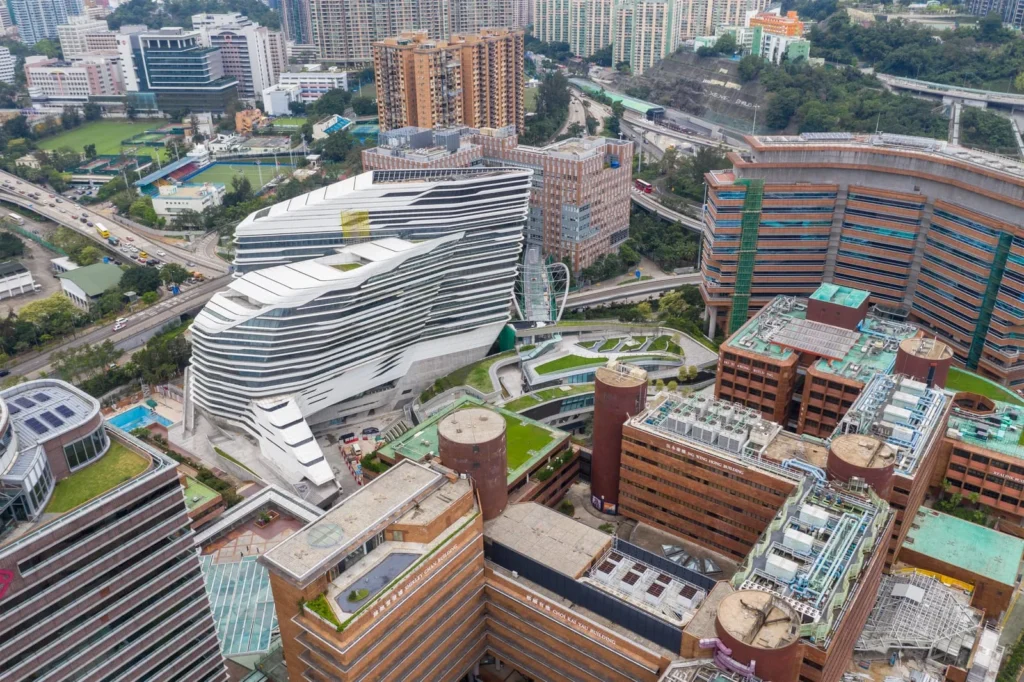
The GBA boasts a dense concentration of world‑class universities. Five Hong Kong universities rank in the top 100 of the 2025 QS World University Rankings. Mainland universities in Guangdong complement this network, with joint programs such as:
Additionally, Hong Kong and South China Normal University opened the first teacher‑training base for Hong Kong educators in Guangzhou in January 2024, promoting professional exchanges and joint training.
Hong Kong’s Technology Talent Admission Scheme fast‑tracks visas for researchers and technologists. The Hong Kong Talent Engage office, established in 2023, works with Guangdong to recruit global talent.
Further, the Immigration Facilitation Scheme, launched in March 2025, offers self‑service immigration clearance at Hong Kong control points for invited ASEAN nationals, thereby enhancing cross‑border economic and cultural exchanges.
Youth engagement is a priority. The GBA Youth Employment Scheme offers 18‑month work contracts and career mentoring in mainland firms. The Funding Scheme for Youth Entrepreneurship and Experiential Programs supports Hong Kong youth launching start-ups in Mainland China.
The 2025‑26 Internship and Exchange Scheme aims to expose young people to workplaces on the mainland and strengthen their sense of national identity.
The GBA is promoting itself as a world‑class cultural destination and creative hub. Hong Kong’s West Kowloon Cultural District includes the Xiqu Centre, M+ Museum, and the Hong Kong Palace Museum.
The Greater Bay Area Culture and Arts Festival ran from 19 October to 24 November 2025, staging over 260 events. Film and television cooperation has also deepened. Amendments to CEPA in 2019 removed quotas on Hong Kong personnel participating in mainland film productions. New measures introduced in 2024 further relax restrictions on film distribution and encourage joint productions in the GBA.
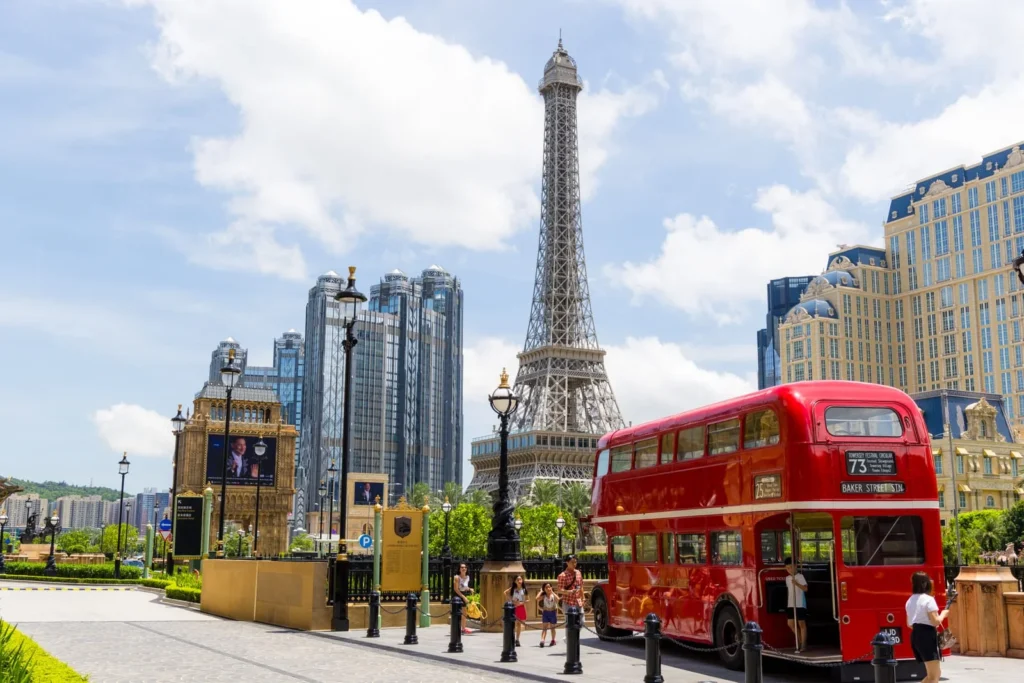
Tourism is rebounding as cross‑border travel restrictions ease. Policies focus on “multi‑destination” products leveraging the unique attractions of Hong Kong, Macao, and mainland cities. Infrastructure improvements such as the HZMB, high‑speed rail, and a third runway reduce travel times and support one‑hour living and tourism circles.
Hong Kong invests in MICE (Meetings, Incentives, Conventions and Exhibitions) facilities and theme parks and hosts international events. A major sports highlight will be the 15th National Games, co‑hosted by Guangdong, Hong Kong, and Macao in 2025, aligning with the Outline Development Plan’s goal of building a healthy bay area.
Cross‑boundary facilitation helps tourism. Hong Kong’s e‑channels allow self‑service immigration at 13 control points; roughly 5 million residents registered, using the system about 150 million times in 2024. Expanded cross‑boundary bus and coach services, multiple‑entry permits for Shenzhen residents, and easier visas for foreigners will support tourism flows.
Environmental protection is a critical pillar of the GBA agenda. Hong Kong, Guangdong, and Macao maintain joint working groups on climate change, cleaner production, and marine environmental management.
The Cleaner Production Partnership Program promotes low‑emission industrial processes. A Regional Air Pollution Control Agreement signed in 2014 led to joint PM2.5 research and coordinated monitoring networks. The 2019 regulation requiring low-sulfur fuel for vessels operating in Hong Kong’s waters has reduced emissions.
The Greater Bay Area is evolving into China’s most integrated innovation and business hub—where policy, technology, and capital meet. To capture these opportunities, brands need more than data. They need on-the-ground insight into how Hong Kong, Shenzhen, and Guangzhou truly work together.
At ChoZan, we help global companies decode China’s most dynamic regions through:
If your organization wants to understand how to position, invest, or collaborate within the Guangdong–Hong Kong–Macao Greater Bay Area, ChoZan is your trusted partner.
Book a consultation to plan your GBA strategy today.
Unlike the Yangtze Delta’s manufacturing dominance, the GBA focuses on cross-border innovation between Hong Kong, Macao, and Guangdong. It integrates global finance with advanced manufacturing and digital research. The “One Country, Two Systems” framework offers a unique blend of international governance, capital mobility, and technology transfer unmatched by any other region in China.
Startups gain access to shared R&D labs, venture-capital funding, and cross-border incubators. The Hetao Innovation Zone and Qianhai cooperation platforms enable Hong Kong-registered startups to operate in Shenzhen with tax incentives and support for Mainland market entry. Programs like RAIS+ and PolyVentures also help early-stage companies commercialize technologies faster and at a lower cost.
Yes. The region prioritizes hydrogen energy, electric mobility, and smart-port technologies. Green-tech firms can apply for subsidies under Guangdong’s low-carbon industrial policy or join Hong Kong’s CleanTech Park pilots. Joint research funds support hydrogen fuel projects and carbon-monitoring systems. These measures make the GBA one of China’s most attractive zones for sustainable-technology investment.
By 2026, enhanced high-speed rail, road, and air links will allow residents to live, study, and work seamlessly across multiple cities. A professional could live in Zhuhai, work in Shenzhen, and attend weekend courses in Hong Kong—all within an hour’s commute. This integration is reshaping housing demand, consumer spending, and regional cultural identity.
Foreign universities and training institutions can collaborate with Hong Kong or Guangdong campuses through joint programs or licensing agreements. Cross-border accreditation and student-exchange schemes make it easier to offer dual degrees and executive courses. The policy focuses on STEM and innovation training, opening strong demand for global expertise in engineering, data science, and AI education.
Healthcare innovation extends into AI diagnostics, telemedicine, and biotechnology. Hong Kong hospitals partner with institutions in Shenzhen and Dongguan to co-develop medical device prototypes and data analysis tools. The GBA’s shared regulatory pilot enables faster market approval for Hong Kong-registered medical devices and digital-health platforms, improving patient access and supporting regional med-tech startups.
Macao is expanding beyond tourism by developing finance, cultural industries, and cross-border trade services. The government’s Hengqin cooperation zone offers incentives to creative media, design, and specialty finance companies. Integration with neighboring Zhuhai enables Macao to become a hub for Portuguese-language markets, bridging China with Lusophone countries across Africa, Europe, and South America.
Emerging sectors include low-altitude logistics (drone delivery), hydrogen energy, digital finance, and quantum computing. Guangdong’s industrial base supports production, while Hong Kong drives research and capital. These technologies will shape next-generation mobility, smart cities, and environmental monitoring. The region’s coordinated policies ensure rapid commercialization and talent development in these frontier fields.
Foreign brands can join government-backed pilot zones or research consortia in Shenzhen, Dongguan, or Hong Kong. These collaborations often include joint R&D funding, co-branded innovation challenges, and access to public testing facilities. Partnerships in AI, healthcare, logistics, and sustainability are encouraged, enabling global companies to participate directly in the region’s fast-moving innovation ecosystem.